

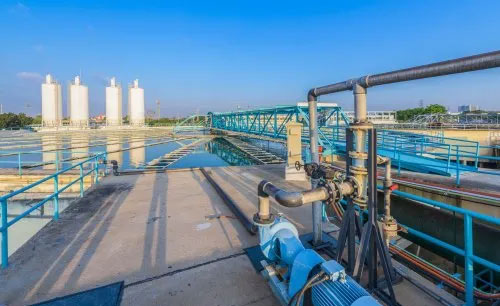
Biological, Physical, and Chemical processes are the most common forms of sewage treatment. This article will discuss each process and its advantages and disadvantages. We will also discuss the different types of STPs and their importance for a sports complex. This way, you can make an informed decision and minimize the costs of running a wastewater treatment plant.
Sewage treatment
The sports complex industry can significantly reduce costs by incorporating water recycling technology. In addition to using recycled water for landscaping, sports facilities can use stormwater for plumbing purposes. These facilities can save millions of gallons of water a year by reducing water usage. These sports facilities can also use water conservation measures to minimize operating costs. For example, a water audit can show how much water is wasted on different processes and provide recommendations for water conservation. These systems can also save the facility a significant amount of money on operating costs.
The wastewater discharged from slaughterhouses poses severe problems in municipal sewage systems. The wastewater contains a high concentration of organic matter and has a high chemical oxygen demand. It is critical to treat slaughterhouse wastewater before it is discharged into the sewer system. Standard methods of slaughterhouse wastewater treatment include fine screening, sedimentation, coagulation-flocculation, and trickling filters.
In the case of sports complexes, wastewater treatment facilities are an integral part of the project. For example, a wastewater treatment plant can attract outside investment by attracting tournaments and adjacent commercial development. Sewage treatment plants for sports complex industries are vital components of a sports complex development project. Listed below are some of the benefits of these facilities. They will be necessary to attract outside dollars to help the community grow and prosper.
Biological processes
There are a variety of biological processes that can be employed at a sports complex. This treatment process involves altering the microorganisms' environment to promote the decomposition of organic materials. Biological processes remove phosphorus and nitrogen from wastewater. These processes typically involve three stages - anaerobic, anoxic, and aerobic. Water is passed through each chamber while performing various biological functions. In some cases, the phosphorus in the wastewater is also removed using chemical treatment.
During the secondary phase, the wastewater is subjected to a biological process called activated sludge. In this process, naturally occurring microorganisms break down organic matter and release carbon. Afterwards, the microbial cell mass settles to the bottom of secondary sedimentation basins, forming a bio-sludge. Secondary treatment processes also remove suspended solids, nutrients, and biological oxygen demand. The sludge from these processes is separated from the treated effluent by means of filtration and chemical precipitation
Physical processes
Wastewater treatment is done by various methods, which may include chemical, physical, or biological processes. The wastewater treatment process is generally comprised of five successive steps, including primary treatment, secondary treatment, mechanical treatment, tertiary processing, and sludge cleanup. This article outlines the different processes involved and explains how they
The activated sludge process is the most widely used and is similar to biological processes. The process is applied in wastewater treatment plants for sports complexes and is characterized by its operational parameters. This wastewater treatment process has many advantages, and it can reduce the amount of wastewater released into the environment and the health risks associated with environmental pollution. This wastewater treatment process has been proven highly effective and is becoming increasingly popular across industries.
Chemical processes
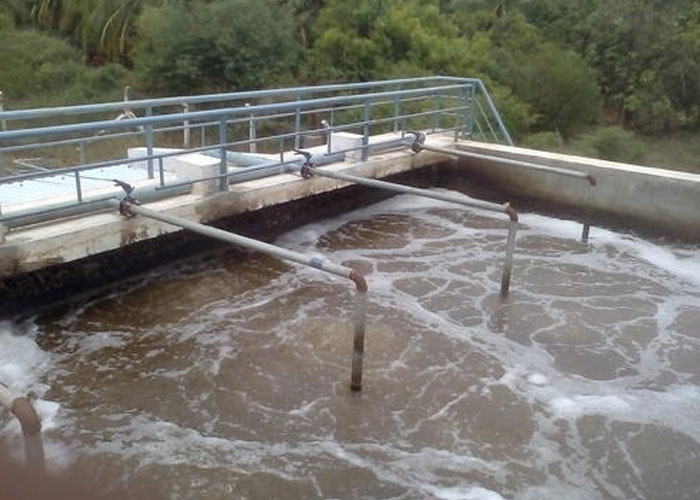
There are many chemical processes available for wastewater treatment in sports facilities. Activated sludge is one of the most common and is comparable to biological processes. The process entails adding a reagent to the wastewater to create a chemical reaction, which converts dissolved substances to solid particles. Then, these particles are removed through filtration. Chemical precipitation techniques depend on the type of metal present in the wastewater and the concentration of the metal. Using a calcium or sodium hydroxide reagent will result in the precipitation of a solid metal hydroxide.
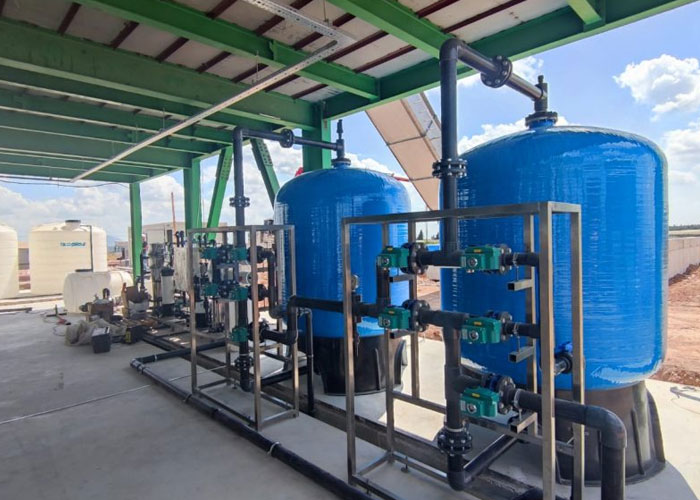
This process involves the addition of chemical agents that can help disinfect, sanitize, and clean wastewater. Depending on the type of treatment required, specialized chemicals may be used to aid in the process. Chemical unit processes include coagulation, precipitation, advanced oxidation, and ion exchange. The primary sedimentation process removes settleable organic solids and between 50 and 70 per cent of total suspended solids.
Packaged sewage treatment plants
Sewage treatment plants are vital components of a sports complex. However, their traditional concrete construction is prone to cracking and deterioration. Additionally, the chemicals contained in wastewater will accelerate the decay, making repairs costly over time. That's why engineered fabric structures are ideal for this type of application. They require minimal operator supervision and require minimal construction work. This means that the cost of a packaged sewage treatment plant is considerably lower than that of a standard installation.


Share Post