

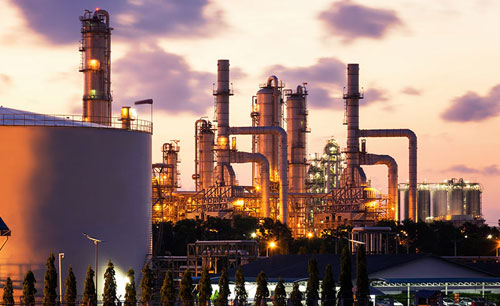
There are two primary processes for treating Wastewater in the Automobile and maintenance industry. These are pre-treatment and secondary treatment. Pre-treatment involves modifying the Wastewater to be compatible with subsequent treatment methods. Pre-treatment techniques include equalization and neutralization, oil and grease separation, and grit removal. Primary treatment is performed by physically separating waste materials from Wastewater. Processes in this step typically involve screening, comminution, sedimentation, and grit removal.
Tertiary treatment
Tertiary treatment is the final step after primary treatment. It aims to destroy toxins, pollutants, and other unwanted constituents while offering reuse opportunities. It is used in various processes, including oil and gas extraction, utility cooling, and agricultural practices.
The DM water treatment process uses deionisation to remove dissolved minerals from the water. The natural water contains a high level of dissolved salts, anions (sulphate), and cations (iron, calcium, sodium, copper, and bromide). These dissolved salts are detrimental to metal oxidation, scaling, and corrosion. DM plants are highly effective in removing these dissolved salts, leaving the water ultra-pure.
There are several types of tertiary wastewater treatment. These processes include precipitation, filtration, coagulation, flocculation, air stripping, and ion exchange. They can be designed to achieve virtually any removal efficiency and are typically applied to comply with TMDL requirements and stream standards.
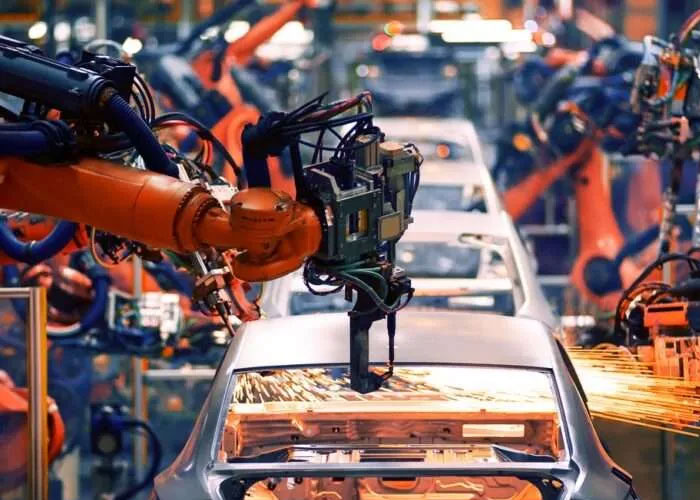
Industrial Wastewater containing oil may come from car wash bays, workshops, fuel storage depots, and power generation facilities. This Wastewater is often discharged to local sewer systems, where it must meet local environmental requirements. In addition to oil, typical contaminants can include detergents, solvents, grit, and lubricants.

Primary treatment
There are a number of methods for the primary treatment of Wastewater produced in the Automobile and maintenance industry. These include screening, comminution, and grit removal. These processes remove the solids and floatable debris that may clog pumps and pipes. The material is then mechanically cleaned and disposed of on plant grounds. Comminution involves grinding and shredding the solids.
The Wastewater from these industries often contains organic materials that are colloidal or dissolved. The processes described thus far will not be effective when organic matter is present. However, in the presence of microbes, the organic material will be oxidized to produce water and carbon dioxide. This process requires adequate nutrients and oxygen supply, as well as containment.
Secondary treatment
The Wastewater produced by the automobile industry is treated in different stages before being discharged into the environment. In the first stage, it is treated using chemical and physical processes to separate the solids and liquids. In the next step, it is treated by biological processes to remove oil and grease from the Wastewater.
Secondary treatment is essential to remove pollutants that affect the aquatic environment, including toxins and other contaminants. Industrial Wastewater has different contaminants and may contain at different times of the day. During the nighttime, wastewater levels are low, while wastewater volumes are high during peak water use times. The varying wastewater flow conditions in the automobile and maintenance industry require more complex analyses that apply probabilistic methods. In addition, wastewater sampling is generally arranged in accordance with flow patterns. This helps in determining the mass constituents of Wastewater.
Secondary treatment of Wastewater produced in the Automobiling and maintenance industry typically uses biological processes. This treatment is effective for organic waste as long as the organic matter is dissolved or colloidal. In the presence of microorganisms, organic material will undergo oxidation to water and carbon dioxide. For this process to work effectively, the Wastewater must be treated using the appropriate conditions, including oxygen, nutrients, and containment.
Brine treatment
The process of treating Wastewater produced in the Automobiles and maintenance industry involves the removal of dissolved salts from a waste stream. The treatment process is similar to seawater desalination and is designed to reduce the discharge volume and maximize freshwater recovery. The system is also typically designed to minimize energy consumption and physical footprint.
Wastewater from the Automobile and maintenance industry contains a variety of contaminants. These contaminants are in high concentrations in the fluids used in automobile production. The Wastewater from these processes must be disposed of correctly to prevent clogging of sewers and contamination of waterways. In some cases, the Wastewater must undergo a chemical or physical pre-treatment process to remove the dissolved solids.
Low-tech pollution control methods
Among the low-tech pollution control methods for treating Wastewater from the Automobile and maintenance industry is the use of pre-treatment methods. These methods remove undesirable contaminants and render Wastewater compatible with subsequent treatment processes. In addition, they provide reuse opportunities for constituents that have been removed from the waste. Pre-treatment methods include biological, chemical, and physical treatments. Biological methods generally involve exposure of waste to organisms, which decompose organic substances into simpler organic compounds.


Share Post