

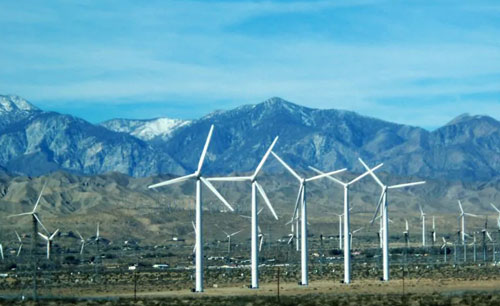
What are the Resources Needed for Clean Energy? Where do we get these resources? What is the impact of Clean Energy on water resources? And how can we manage this water-energy nexus? Let's explore the topic in this article. We'll also discuss the sources of clean energy and their impacts on water.
Depending on the location of your home, you might have to purchase an STP to handle your sewage. Generally, residential buildings need at least one STP to treat sewage. Many STPs are located underground, making them difficult to maintain. Moreover, you may not be able to inspect them without hiring an expert. It is better to consult a professional if you have any doubts about the process.
Resources needed for clean energy
The resources needed for clean energy production are plentiful throughout Africa. However, even with these natural resources, Africa still faces the challenge of providing electricity to its people. In 2015, less than twenty per cent of the population in East Africa had access to electricity. In response to this issue, the Energy Department is driving strategic investments to address this shortage.
The production of clean energy infrastructure requires many carbon-intensive materials. Steel, for example, produces approximately 1.5 tons of carbon emissions per ton. Concrete production accounts for around eight per cent of global CO2 emissions. Batteries used to power renewable energy technologies require rare earth metals and copper. These materials are all extracted from natural resources, which means the production of these materials is a major source of carbon emissions.
Renewable energy is the preferred choice for many people and businesses. It is not only environmentally friendly but also conserves water and reduces CO2 emissions. In addition, renewable energy resources can be used in a variety of ways, including for electricity generation, transportation, and space heating.
Sources of clean energy
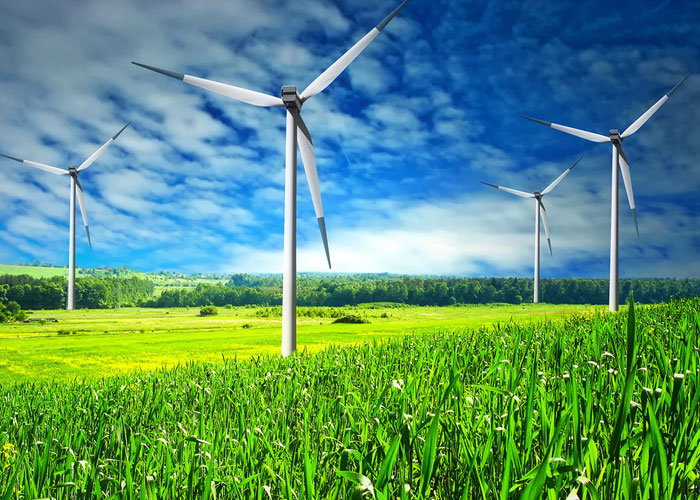
A growing number of governments and businesses recognize the importance of water in developing sustainable energy systems. The UN's Sustainable Development Goals (SDGs) focus on water, and holistically thinking about energy and water is crucial to achieving these goals.
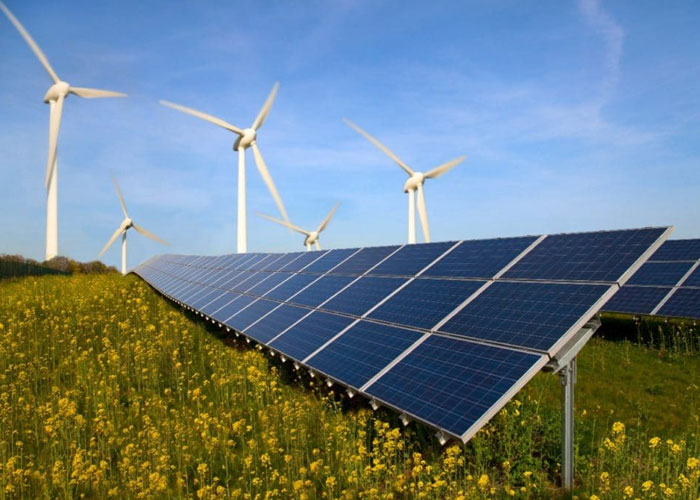
While energy and water are intrinsically linked, water and energy are often viewed separately. It has been shown that reducing energy use by switching to renewable sources can significantly reduce water consumption. This is particularly true of industries that use large amounts of water, such as chemical and food-and-beverage production.
Water plays an important role in clean energy and is a major source of energy for hydropower. It is an important source of clean energy and has many advantages, such as being emission-free and environmentally friendly. It also has high efficiency. For instance, a pellet of uranium fuel can replace 150 gallons of gas, 17,000 cubic feet of natural gas, and five grams of uranium can power a typical household for six months.
Impacts of clean energy on water resources
Energy production and water resources are inextricably linked. Electric utilities, for example, compete with farmers and other industries for water rights. They may also face conflict with municipalities and interstate commitments. Therefore, public policymakers must consider how strained water supplies affect various sectors. Moreover, climate change will further stress these interdependent sectors. As water quality in many regions declines and electricity demands rise, these issues will become increasingly interconnected.
In developing countries, water demand is expected to increase rapidly. Nearly two-thirds of the world's population lives where water is scarce or contaminated. Meanwhile, 80% of wastewater adds to water pollution. Clean energy can be an important part of the solution.
Water energy is critical for economic development and social well-being. Water-energy connections are essential for the achievement of the UN SDGs. For example, SDG 6 focuses on water. Increasing the use of renewable energy will result in lower water use, which will protect water resources.
Ways to manage the water-energy
The energy-water is a complex issue with many implications for society and the environment. Managing this requires a multidisciplinary approach. It involves understanding how water and energy are interrelated and the effects of policies on these sectors. They can lead to positive or negative impacts, and decisions should be based on sound evidence.
An approach helps decision-makers formulate policies that consider each sector's different needs and are context-specific. This helps to mitigate trade-offs and find synergies. Governments must consider the needs of people in different regions to develop policies that work for both.
Managing the energy-water nexus requires integrating it into investment decisions. This may require adapting existing mechanisms for the water-energy nexus. For example, various forms of strategic environmental assessment have been adopted internationally, which are meant to measure policies based on the long-term goals of ecological sustainability.


Share Post