




Sustainable Water and Wastewater Treatment Solutions for Infrastructrure and Devlopment - Residential Apartment Complexes Using STP, ETP, WTP, WWTP, and RO Technologies
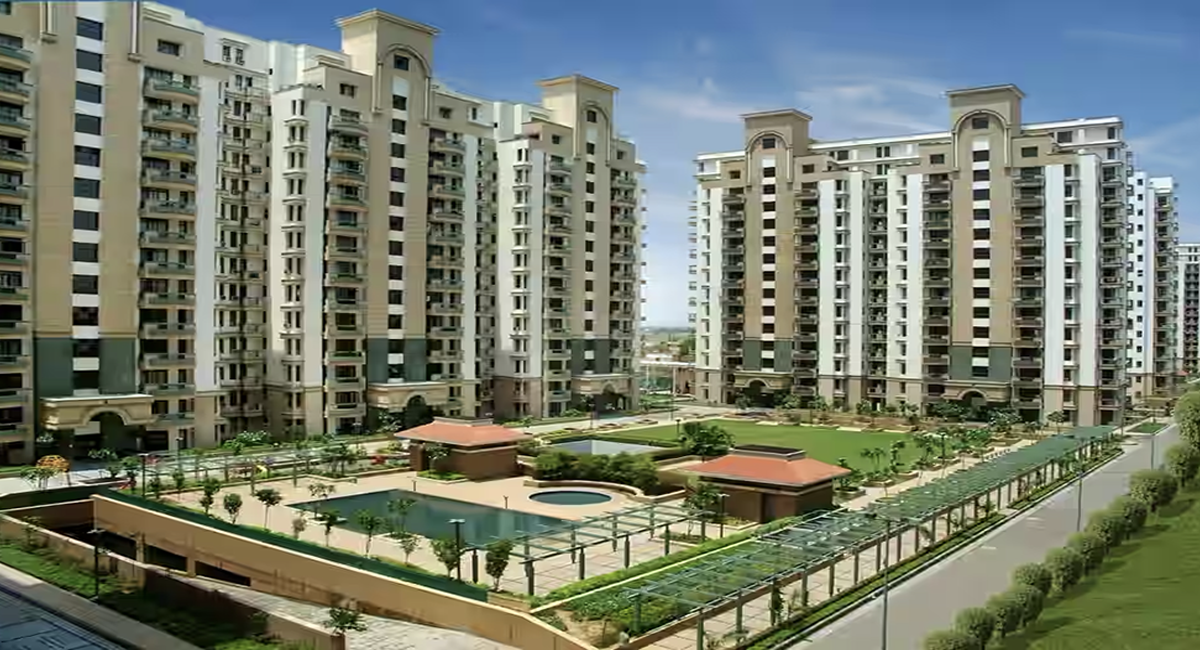
Rapid urbanization in India has led to a significant rise in residential apartment complexes, witnessing vertical growth, with multi-story housing societies accommodating thousands of residents. These residential hubs are becoming self-contained ecosystems with recreational areas, gyms, swimming pools, and shopping amenities.Real estate developers focus on modern, eco-conscious township planning. These developments require efficient infrastructure, including reliable water supply and effective wastewater management systems. As water scarcity becomes a pressing issue, managing the water lifecycle in residential complexes is no longer optional but essential. It's not just about availability but also safe, sustainable use and disposal. Consequently, implementing in-house water treatment systems is gaining importance in premium and mid-segment apartment projects.
Understanding Water Demand and Usage in Residential Apartment Complexes for Daily Living and Common Amenities
Residential apartments have consistent and substantial water needs. Every unit requires drinking, bathing, laundry, cooking, and sanitation water. In addition to personal use, communal areas like gardens, clubhouses, swimming pools, and parking lots further increase the demand. This necessitates a dependable water source, often municipal supply and borewell water..
Water is also required to clean staircases, lobbies, and lifts and maintain hygiene. Some upscale societies include features like rainwater harvesting systems, pressure booster pumps, and advanced water filtration units to ensure continuous and clean water availability. Meeting these needs without straining local water reserves is a significant challenge. That's where water treatment systems come in—purifying water for consumption and recycling wastewater for reuse in irrigation, toilet flushing, and cleaning. By treating and reusing water onsite, residential societies can drastically reduce freshwater dependency while ensuring resident satisfaction.
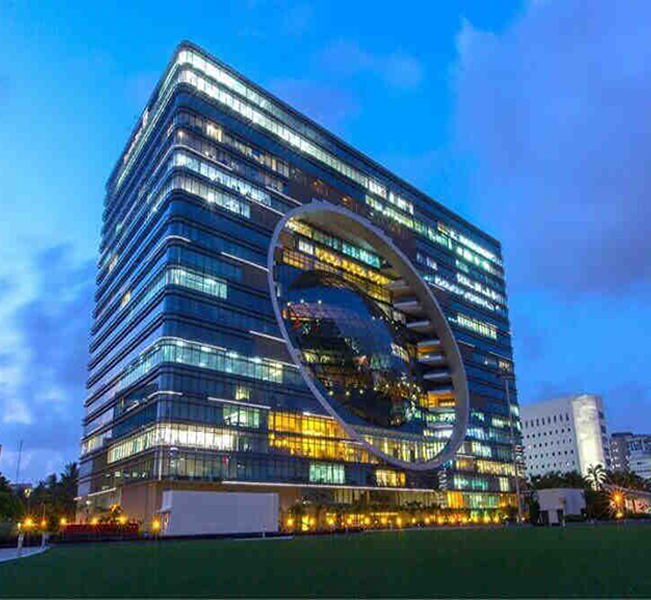
Key Household and Maintenance Activities in Apartments That Lead to Wastewater Generation Every Day
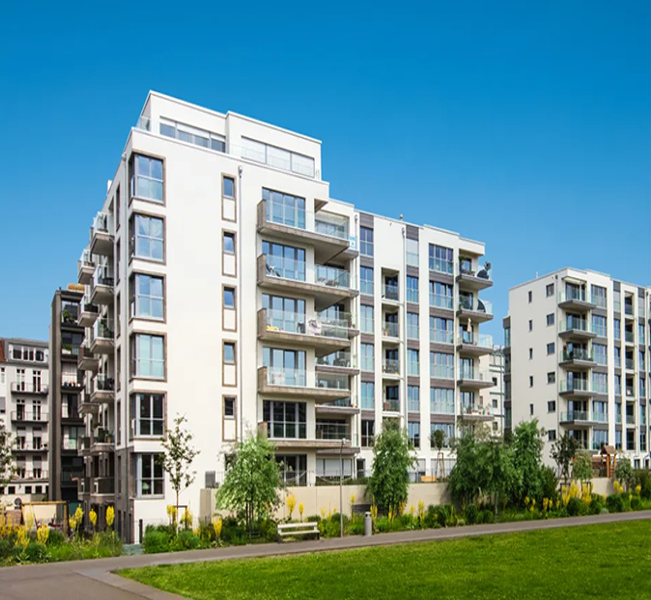
Residential apartments generate wastewater from numerous daily activities. Bathroom use—including showers, sinks, and toilets—produces the largest share, contributing both greywater and blackwater. Washing machines and dishwashers also generate greywater with detergents and grease content. In kitchens, wastewater results from dishwashing, vegetable cleaning, and floor mopping.
Outside individual flats, shared facilities like swimming pools, car washing stations, and community washrooms add to wastewater output. Cleaning staircases, corridors, basements, and recreational areas produces chemical-laden water. In societies with in-house salons or cafeterias, additional wastewater comes from food and cosmetic residues. These sources combined make residential apartments one of the urban zones' most consistent wastewater generators. Properly managing this outflow is essential to complying with municipal regulations and protecting the environment. Without treatment, untreated water could threaten groundwater, public health, and neighborhood ecosystems..

